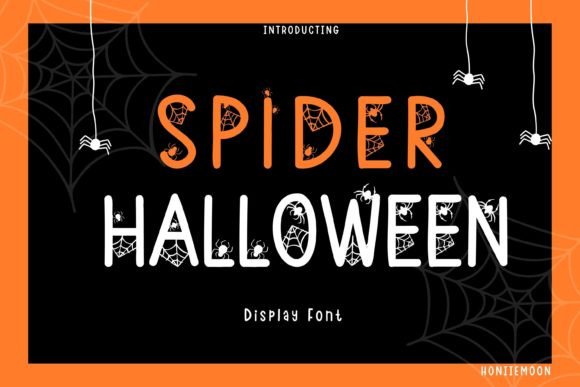
Spider Halloween: A Spooky Display Font Review
I was staring at a blank brand board for a local artisanal candy shop when the usual suspects—clean sans serifs and elegant scripts—just felt too safe. The client wanted something that screamed "October" without looking like a cheap party store decoration. That’s when I pulled up Spider Halloween. It’s not just another spooky typeface; it is a cool and fun display font that immediately shifted the mood of the entire project. As I dragged the first logo concept onto the screen, I realized this font brings a specific energy that is hard to find in standard commercial libraries.
The First Impression: Cute, Jolly, and Slightly Spooky
When you first load Spider Halloween into your design software, the visual characteristics are immediate. It strikes a delicate balance between eerie and adorable. Unlike many horror-themed fonts that rely on dripping blood or jagged, aggressive edges, this typeface leans into a jolly aesthetic. The letterforms have rounded terminals and playful curves that soften the "spooky" vibe, making it approachable rather than terrifying.
In my initial test, I typed out the shop name and watched how the glyphs interacted. The spacing feels generous, preventing the text from looking cluttered even with its decorative elements. This is crucial for a display font because readability often suffers when designers pack too much detail into a single character. Spider Halloween manages to maintain legibility while still offering enough personality to stand out as a headline or logo mark. It feels like a premium font designed for brands that want to celebrate the season without alienating their audience.
Testing the Limits: From Logo Drafts to Packaging Mockups
To truly understand a font's utility, you have to push it beyond a simple text box. I started by using Spider Halloween for the primary logo mark. The result was instant recognition. The unique shapes of the letters created a memorable silhouette that would work perfectly on a storefront sign or a sticker label. However, the real test came when I moved to packaging design.
I placed the font on a mockup for a jar of gummy spiders. Here, the "cute" aspect of the font shone through. On a small product label, where space is limited, the font remained distinct. It didn't turn into a muddy blob, which is a common issue with overly decorative display fonts. The stroke weight is consistent enough to hold up well in print, ensuring that the ink doesn't bleed and obscure the details. For a boutique identity project, having a font that translates seamlessly from a digital logo draft to physical packaging is a massive time-saver.
I also tested it on a business card mockup. While I wouldn't use it for the contact information at the bottom, it worked beautifully as the large header name. It grabbed attention immediately, setting a tone of whimsy before the eye even scanned the smaller, more functional text below. This hierarchy is essential in modern typography; you need a strong anchor point, and Spider Halloween provides exactly that.
Where It Shines: Branding, Social Media, and Web Headers
Spider Halloween is undeniably a display font, meaning its strength lies in short phrases, headlines, and titles. In my web design tests, I used it for the hero section of a seasonal landing page. The font commanded the screen, drawing users in with its playful character. It paired surprisingly well with high-contrast imagery, creating a dynamic visual entry point for the site.
For social media graphics, this font is a goldmine. I drafted an Instagram story template featuring the font against a dark background. The letters popped with clarity, making the promotional message instantly readable even on a small mobile screen. Whether you are designing flyers for a haunted house event, posters for a school fair, or editorial design for a lifestyle blog, this creative font adds a layer of thematic consistency that generic typefaces simply cannot match.
It also excels in branding for handmade shops and crafters. If you sell candles, soaps, or seasonal decor, Spider Halloween can elevate your brand identity from "generic" to "curated." It suggests a level of care and creativity that resonates with customers looking for unique, non-mass-produced items. The font’s versatility allows it to feel professional yet personal, a rare combination in the world of decorative type.
Practical Limitations and Design Considerations
While I love the potential of Spider Halloween, an honest review requires acknowledging where it does not belong. This is not a font for body copy. Do not attempt to set paragraphs of text in this style. The intricate details and varying widths will cause eye strain and reduce readability significantly if used for long-form content. It is strictly a headline or accent font.
Furthermore, avoid using it for formal corporate communications or serious legal documents. The playful, jolly nature of the font contradicts the gravity required for those contexts. It is also worth noting that while it works well at medium to large sizes, you should test it at very small scales (under 8pt) before finalizing any print assets. Some of the finer details might get lost in low-resolution prints or tiny labels.
Before committing to a client project, always test the font in the actual environment where it will live. Check how it looks on different paper stocks, screen resolutions, and lighting conditions. This practical step ensures that the font performs as expected once the design leaves your screen.
Pairing Strategies for a Cohesive Look
One of the best ways to make Spider Halloween work in a professional capacity is through smart font pairing. Because it is such a strong, decorative character, it needs a quiet partner to let it breathe. I found that pairing it with a clean, neutral sans serif font creates a perfect balance. The simplicity of the sans serif grounds the playfulness of the display font, ensuring the overall design remains legible and structured.
Alternatively, a classic serif font can add a touch of elegance, creating a "modern gothic" feel that works well for upscale boutiques or editorial projects. Avoid pairing it with other heavy display fonts or script fonts, as this will create visual competition and clutter. Stick to one dominant voice—let Spider Halloween be the star—and support it with understated typography for the rest of the layout.
Licensing and Final Thoughts for Designers
As you explore using Spider Halloween for your next project, remember to check the licensing terms carefully. If you are using this font for client work, merchandise, or print-on-demand products, ensure you have the appropriate commercial license. Many free fonts come with restrictions on commercial use, and overlooking this can lead to legal headaches down the line. Always verify if the license covers webfont usage, app integration, or unlimited print runs.
Ultimately, Spider Halloween is a fantastic addition to any designer's toolkit for seasonal or themed projects. It offers a unique blend of cute and spooky that enhances designs without overwhelming them. Whether you are refreshing a café's visual identity, designing a new product label, or creating social media assets for a holiday campaign, this font has the potential to make your work stand out. The only limit really is your imagination, but with the right application, it can transform a good design into a great one.