Dream Zone: A Bold Display Font for Creative Branding
I opened my design software this morning with a blank canvas and a specific challenge. The brief was to create a visual identity for a local boutique that sells handmade skincare and artisanal soaps. The client wanted something approachable, warm, and distinctly fun, but they also needed it to feel professional enough to stand out on a crowded shelf. I scrolled through my library of Display fonts, looking for that perfect balance between personality and legibility. That is when I landed on Dream Zone.
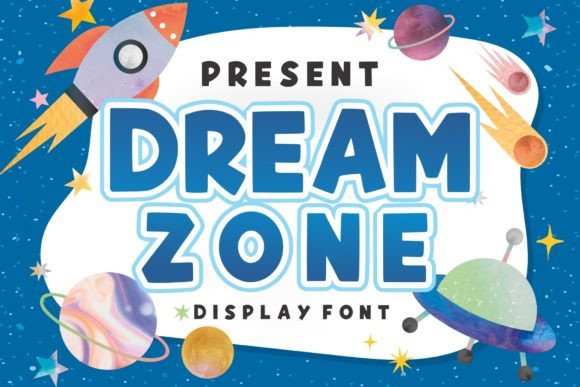
At first glance, Dream Zone caught my eye because it doesn't just sit on the page; it invites you in. It is a display font that feels friendly, fun, and bold all at once. As I typed out the shop's name into the logo draft, the rounded edges and thick strokes immediately conveyed a sense of playfulness without looking childish. This is exactly what happens when a typeface has a clear personality; it does half the storytelling work for you before you even add an image.
Testing the Personality on a Logo Draft
The first step in any branding project is testing the core typography. I placed Dream Zone into three different logo concepts. In the first, I used it as the primary logotype. The bold weight held up beautifully, giving the brand a solid foundation. Because it is a display font, it naturally draws the eye, making it ideal for headlines and logos where immediate recognition is key.
What struck me most during this phase was the mood it set. Unlike some modern typography styles that can feel cold or overly geometric, Dream Zone has a softness to it. It felt like the kind of font you would see on a welcoming sign above a storefront or stamped onto a high-quality product label. I could already imagine how it would look on a business card or a sticker seal. The curves are inviting, suggesting that the products inside are gentle and natural—a perfect match for a skincare line.
From Digital Mockups to Physical Packaging
Once the logo direction was set, I moved on to packaging design. This is often where fonts get tested the most rigorously. Does it look good small? Does it maintain its character on a curved bottle? I applied Dream Zone to a mockup of a soap bar wrapper. The bold nature of the letters ensured that the brand name remained legible even from a distance on a retail shelf.
However, working with a creative font like this requires knowing its limits. Since Dream Zone is designed as a display typeface, it shines best in short bursts of text. I used it for the product names and the main tagline, but I knew I needed a supporting typeface for the ingredient lists and usage instructions. This is a crucial lesson in brand identity: not every font is meant to carry a paragraph of text.
Mastering Font Pairing for Balance
To create a cohesive system, I paired Dream Zone with a clean, neutral sans-serif font. The contrast worked perfectly. The playful, rounded energy of the display font provided the "fun" factor, while the simple sans-serif offered clarity and professionalism for the body copy. This combination created a strong visual hierarchy. The eye is drawn first to the bold headline in Dream Zone, then guided down to the readable details.
If I were designing for a different vibe, perhaps a more elegant boutique, I might have paired it with a classic serif font. The juxtaposition of the bold, friendly display style against the traditional elegance of a serif could create a unique, eclectic look. But for this project, the sans-serif pairing kept the design fresh and modern. It reminded me that the right font pairing can elevate a good design into a great one.
Expanding the Brand Across Media
A true test of a font's versatility is how it performs across different mediums. I took the Dream Zone assets and applied them to social media graphics. On Instagram, the bold lettering popped against vibrant background colors, making the posts stop the scroll. The font's inherent friendliness translated well into digital spaces, encouraging engagement and interaction.
I also experimented with printed marketing materials, specifically a flyer for an upcoming launch event. The large headers in Dream Zone commanded attention, while the layout remained uncluttered. It proved to be an excellent choice for posters and flyers where you need to communicate a message quickly and effectively. Whether it is a greeting card, a presentation slide, or a website hero section, the font maintains its impact.
Practical Considerations for Designers
Before finalizing the brand system, I always check the technical details of the commercial font. For Dream Zone, it is essential to verify the included styles and weights. While it is primarily a bold display option, checking for alternates or ligatures can add that extra layer of customization needed for unique logo locks. Ensuring the file formats (like OTF or TTF) are compatible with your workflow is also a basic but necessary step.
Licensing is another critical component. Since this is a commercial project for a client, confirming that the license covers the intended use—packaging, web, print, and merchandise—is non-negotiable. Using a premium font legally protects both the designer and the client, ensuring the brand can grow without legal hurdles.
When to Use Dream Zone
So, where does Dream Zone fit best in your toolkit? It is undeniably a star performer for headlines, logos, and short-form text. If you are creating a brand for a creative studio, a children's product line, a local café, or a craft-based business, this font offers the right amount of whimsy without sacrificing readability.
It works exceptionally well for:
- Logo Design: Creating memorable, bold wordmarks.
- Packaging Design: Standing out on shelves with friendly, approachable labels.
- Social Media Graphics: Grabbing attention in feeds with large, clear typography.
- Editorial Design: Adding punch to magazine headers or blog titles.
- Crafts and Greeting Cards: Bringing a personal, handcrafted feel to DIY projects.
However, remember that it is a display font. Avoid using it for long paragraphs or dense informational blocks. Let it do what it does best: make a statement.
Final Thoughts on the Design Process
By the time I presented the final brand board to the client, the transformation was evident. What started as a vague idea of "friendly and fun" had become a tangible visual identity anchored by Dream Zone. The font didn't just decorate the design; it defined the brand's voice.
As designers, we often search for the perfect tool to solve a creative problem. Sometimes, the answer lies in a robust, versatile typeface that brings its own energy to the table. Dream Zone proved to be exactly that for this project. It bridged the gap between professional polish and genuine warmth, showing that a well-chosen display font can truly become the heart of a brand.
If you are looking to inject some personality into your next project, whether it is a new startup, a rebrand, or a personal craft venture, give Dream Zone a try. Test it on a mockup, pair it with a clean sans-serif, and see how it transforms your design. You might just find that it becomes your go-to choice for bringing bold ideas to life.