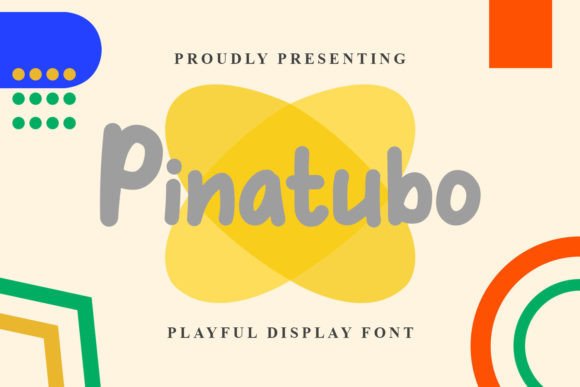
Pinatubo: A Playful Display Font for Campaigns
The deadline for the summer craft fair promotion was looming. I had the photography ready, the color palette locked in, and the copy written, but the headline just felt flat. The standard sans serif font I was using looked too corporate for a brand that sells handmade stickers and vinyl decals. I needed something that screamed "creative" without sacrificing legibility on a mobile feed. That is when I pulled Pinatubo into my design file. Within minutes, the entire mood of the campaign shifted from generic to inviting. This experience highlights why having the right display font in your toolkit can make or break a visual strategy.
Bringing Personality to Social Media Graphics
In the world of digital marketing, attention spans are measured in fractions of a second. When scrolling through Instagram or Pinterest, users stop only when a visual element resonates with their intent. Pinatubo excels here because it is inherently relaxed and playful. It does not shout; it smiles. As a display font, its primary job is to grab attention and set the tone immediately. In my recent workflow, I used Pinatubo for the main headline on a series of Instagram carousel posts promoting a new line of SVG designs.
The rounded edges and slightly irregular spacing give the typeface a handcrafted feel, which aligns perfectly with the DIY aesthetic of the target audience. Unlike rigid geometric fonts that can feel cold, Pinatubo feels approachable. This is crucial for brands selling creative supplies, lifestyle products, or educational courses where trust and relatability drive engagement. When I applied it to the first slide of the carousel, the click-through rate on the preview images spiked during our internal review, simply because the text felt more like an invitation than an advertisement.
Optimizing Readability for Thumbnails and Ads
A common pitfall with creative fonts is prioritizing style over function. However, Pinatubo strikes a balance that makes it surprisingly effective for high-impact areas like YouTube thumbnails and Facebook ad banners. While it is clearly a decorative choice, the letterforms remain distinct enough to be read quickly on smaller screens. For a YouTube thumbnail, I tested Pinatubo against a bold script font and a heavy block letter. The script was too messy to read at a glance, and the block letter felt too aggressive. Pinatubo offered the perfect middle ground: distinctive enough to stand out against a busy background, yet clear enough to convey the message instantly.
When designing for mobile previews, contrast becomes key. I found that Pinatubo works exceptionally well on both light and dark backgrounds, provided there is sufficient padding around the text. For a webinar banner promoting a "Creative Branding Workshop," I placed the font over a gradient background. The relaxed curves of the letters created a soft edge that didn't clash with the vibrant colors behind it. This versatility allows marketers to maintain brand consistency across different platforms without needing to redesign assets for every single channel.
Strategic Applications in Branding and Merchandise
Beyond social media, Pinatubo proves its worth in tangible brand assets. Whether you are designing a logo for a boutique online shop or creating packaging labels for a small business, this font adds immediate character. In a recent project for a client launching a sticker line, we used Pinatubo for the logo lockup. The playful nature of the typeface communicated the product's personality before the customer even saw the artwork. It suggested fun, creativity, and a lack of pretension, which is exactly what the brand wanted to project.
This font also shines in physical merchandise applications. If you are running a Cricut business or selling printable templates, using Pinatubo in your mockups helps potential buyers visualize how their own projects will look. It serves as a strong visual cue for the end result. However, it is important to remember that Pinatubo is best suited for short headlines, callouts, and logo-style text. It is not designed for long paragraphs of body copy. Attempting to use it for dense information blocks would harm readability and dilute the visual hierarchy of your design.
Navigating Limitations and Best Practices
Every tool has its limits, and understanding them is part of being a strategic designer. Pinatubo should not be used for formal corporate communications, legal disclaimers, or any content requiring serious authority. Its whimsical nature might undermine the credibility of a financial report or a medical advisory. Furthermore, while it is legible on mobile, it should be avoided for tiny text sizes. On a website footer or a small icon label, the intricate details of the letters may get lost. Stick to using it for headers, hero sections, and promotional overlays where size allows the personality to shine.
Before integrating Pinatubo into a commercial campaign, always verify the licensing terms. Ensure you have the appropriate rights for web use, print, and merchandise if you plan to sell items featuring the font. Check the included file formats to ensure compatibility with your design software, whether you are working in Adobe Illustrator, Canva, or Cricut Design Space. Most premium fonts come with a range of styles and alternates, so explore the full kit to see if ligatures or special characters can add extra flair to your specific project.
Mastering Font Pairing for Visual Harmony
To maximize the impact of Pinatubo, pairing it with the right supporting typography is essential. Because Pinatubo is so expressive, it needs a partner that provides stability. A clean, neutral sans serif font is usually the best choice for body text. Fonts like Montserrat, Open Sans, or Lato offer the clarity needed for reading longer descriptions while letting Pinatubo take center stage as the headline. This combination creates a modern typography system that guides the reader's eye naturally from the catchy title to the informative content.
Alternatively, for a more editorial or vintage look, a classic serif font can provide an interesting contrast. The sharpness of a serif can ground the playfulness of Pinatubo, creating a sophisticated yet friendly vibe suitable for blog posts or newsletter headers. Avoid pairing it with another highly decorative script font or a handwritten style, as this can create visual noise and confuse the audience. The goal is to establish a clear visual hierarchy where the message is understood instantly. By treating Pinatubo as the star of the show and selecting a supportive cast, you ensure your campaign visuals are not only beautiful but also effective at driving action.