How Retro Lemon Font Brought Personality to a Café Branding Project
Starting with a Blank Brand Board
When I opened the blank brand board for a new local café project, I knew the challenge ahead: create a visual identity that felt nostalgic, friendly, and just a little quirky. The client wanted to evoke the charm of 70s diners without leaning too heavily into kitsch. I started with color and layout, but the real tone would come from typography. That’s when I remembered Retro Lemon — a display font I’d downloaded a few weeks earlier. It had that bold, fun energy I was looking for, and I was curious to see how it would hold up in a real-world branding scenario.
First Impressions: Testing Retro Lemon in Logo Design
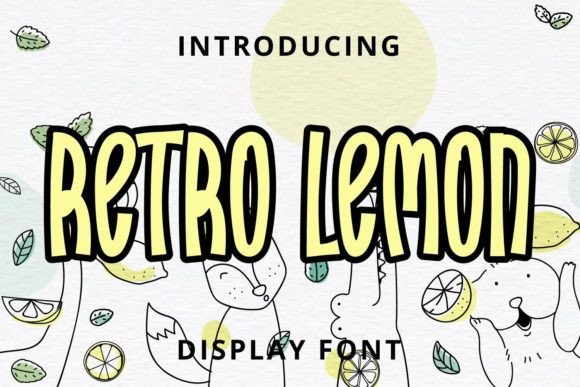
I dropped Retro Lemon into the logo mockup — a simple wordmark with a lemon-yellow outline. The font immediately gave off a cool, retro vibe. Its thick letterforms and slight slant gave it a sense of movement, like it was ready to jump off the page. The character alternates and ligatures added a playful touch, especially in the café’s name, which had a few repeating letters. It wasn’t just legible; it was memorable. I could already picture it on a storefront sign or a chalkboard menu.
Using Retro Lemon Across Brand Materials
Once the client approved the logo direction, I began integrating Retro Lemon into other brand elements. It worked surprisingly well across different mediums. On packaging mockups — like coffee sleeves and to-go cups — the font remained bold and readable from a distance. For social media templates, I used it as a headline font in Instagram stories and pinned posts, where its visual impact helped draw attention without feeling forced.
In print materials like business cards and menu boards, Retro Lemon gave the brand a consistent personality. I made sure to limit its use to headlines and short-form text, as expected from a display font. It wasn’t meant for long paragraphs, but that worked in our favor — it kept the design clean and focused.
Pairing Retro Lemon with Supporting Fonts
To balance the boldness of Retro Lemon, I paired it with a clean sans serif for body copy and subheadings. The contrast between the two created a strong visual hierarchy while maintaining professionalism. In some cases, I also tested a soft script font for special promotions or handwritten-style tags, and the trio worked well together without clashing.
Design Decisions: When to Use Retro Lemon and Why
As the project progressed, I found that Retro Lemon performed best as a headline font, logo typeface, or accent style in posters and flyers. It wasn’t ideal for body text, but that’s exactly what a display font should be — a showstopper in the right context. I made sure to test it in different sizes and on various backgrounds to ensure readability, especially for printed signage and packaging.
One of the key moments was seeing how the font looked on a mockup of the café’s shop sign. From a distance, the letters were clear and distinctive. That’s when I knew we had a font that could help build brand recognition without sacrificing style.
Checking Font Features Before Finalizing
Before locking in the brand system, I double-checked the Retro Lemon font package. It included multiple styles, alternates, and ligatures, which gave me flexibility in design. I also verified that it supported multilingual characters — important in case the café expanded its menu or branding to include non-English words. The file formats were standard (OTF, TTF), and the commercial license allowed for use in both print and digital design assets, which covered all our project needs.
Real-World Applications: From Website Headers to Product Labels
On the café’s website, I used Retro Lemon in the hero section as a header. It gave the homepage a strong visual hook and helped set the brand tone within seconds of landing on the page. For product labels — like house-made jam jars and cold brew bottles — I used a simplified version of the font to keep it clean and scannable.
In editorial-style layouts, such as a printed menu or seasonal flyer, Retro Lemon served as the title font, guiding the viewer’s eye naturally. It added a sense of fun and approachability without making the brand feel unprofessional.
Final Thoughts on Using Retro Lemon in Branding
This project taught me that the right display font can do more than just look good — it can shape the way a brand is perceived. Retro Lemon brought a sense of personality and energy that elevated the café’s identity from generic to memorable. It reminded me that fonts are more than just letters; they’re part of the story we tell through design.
If you’re working on a branding project that needs a punch of fun without sacrificing clarity, Retro Lemon is definitely worth a test. Whether you’re designing for a boutique, a creative studio, or a local eatery, this font can help you strike the right visual tone — as long as you use it thoughtfully and pair it well with supporting typography.