Enhancing Web Design with the Honolulu Display Font
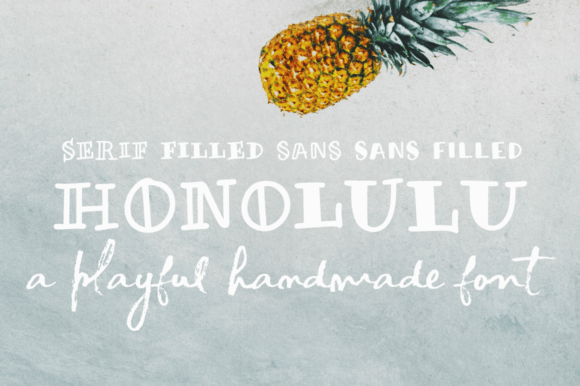
As a web designer, typography is one of the most powerful tools I use to shape user experience, guide visual hierarchy, and reinforce brand tone. Honolulu is a standout handwritten display font that brings a modern, fresh energy to digital projects without sacrificing readability or professionalism. Its unique personality makes it ideal for creative websites, landing pages, and brand-focused web experiences where visual appeal and emotional connection matter.
Honolulu’s design feels both playful and intentional. The soft curves and flowing strokes give it a hand-crafted look, while its consistent spacing and clear letterforms ensure it remains legible even in digital environments. This balance makes it particularly effective in headers, hero sections, and call-to-action areas where you want to capture attention without overwhelming the viewer.
Using Honolulu in Website Headers and Hero Sections
When designing a homepage or landing page, the hero section is often the first impression a visitor gets. Honolulu shines in large text applications like headlines and subheaders. Its distinct character helps set the tone for a brand—whether it's a boutique online store, a creative portfolio site, or a coaching website.
Because it’s a display font, Honolulu works best in short bursts. I often use it for titles and short phrases rather than long paragraphs. It pairs beautifully with clean sans serif fonts like Helvetica or Open Sans, which keeps body text readable while letting Honolulu lead in visual hierarchy.
Supporting Brand Identity and Visual Consistency
For digital product creators and SaaS founders, maintaining a consistent brand voice across all touchpoints is essential. Honolulu’s modern, approachable style makes it a great fit for brands that want to feel personable yet professional. Whether it’s used in logo text, social media graphics, or email headers, this font helps create a cohesive visual language across platforms.
One of the strengths of Honolulu is its versatility. It works equally well on light and dark backgrounds, and with careful sizing and contrast, it remains readable even on smaller mobile screens. For best results, I recommend using it at 24px or larger for section headings and ensuring sufficient color contrast when placing it over images or gradients.
Practical Applications Across Digital Design
I’ve found Honolulu especially effective in the following contexts:
- Creative portfolios: Adds a personal, artistic touch to project titles and gallery captions.
- Boutique online stores: Brings warmth and personality to product banners and promotional graphics.
- Course sales pages: Helps create a friendly, inviting tone in headlines and feature highlights.
- Blog headers: Stands out in featured posts and editorial graphics without clashing with body text.
- Brand kits: Works well in logo variations, social media templates, and branded landing page elements.
It’s also a strong choice for buttons and interactive elements when used sparingly. Just keep in mind that decorative fonts like Honolulu should be reserved for short, high-impact text rather than navigation labels or long-form content.
Readability Considerations for Responsive Design
While Honolulu is visually appealing, it's important to test its performance across devices. On mobile screens, I recommend using it for headlines only and ensuring it scales well with responsive typography settings. Avoid using it on very small buttons or in low-contrast situations, especially over busy image backgrounds.
When using Honolulu in web design, always preview it in real layouts. Some letters may appear similar in certain contexts, especially at smaller sizes. If you're using it for a logo or app interface, test legibility in both light and dark mode environments to ensure consistent readability.
Font Pairing Strategies for Web Design
One of the most effective ways to use Honolulu is in combination with a more neutral typeface. Since it’s a decorative display font, pairing it with a clean sans serif or even a modern serif can create a balanced, professional layout.
For example:
- Honolulu + Open Sans: A great combo for landing pages and marketing sites.
- Honolulu + Merriweather: Ideal for editorial-focused websites or personal blogs.
- Honolulu + Montserrat: Offers a clean, contemporary contrast for digital product pages.
These pairings maintain visual interest while keeping your design grounded and functional. Honolulu leads with personality, while the secondary font handles readability and structure.
Technical and Licensing Considerations
Before integrating Honolulu into a live project, it’s important to check what file formats and styles are included. Most premium display fonts come with multiple weights, alternates, and multilingual support—features that enhance flexibility for international brands and multilingual websites.
Also, verify that the font license allows for web use. Many display fonts are sold with specific usage rights, so make sure you have permission to embed it in client websites, online stores, or digital templates. Some font marketplaces offer webfont versions with built-in licensing, which can simplify the process for commercial projects.
Final Notes on Choosing Honolulu for Digital Projects
Honolulu is more than just a pretty font—it’s a design asset that can elevate your digital work when used thoughtfully. Its modern handwritten style brings warmth and creativity to web layouts without compromising on usability. Whether you're designing a personal brand site or a product landing page, Honolulu can help your message stand out while maintaining a polished, intentional aesthetic.
As with any display font, the key is to use it purposefully. Let Honolulu take the lead in headlines, logos, and accents, and support it with clean, legible typefaces in body content. When paired with good design practices, this font can become a valuable part of your digital toolkit.